Micki Keno has been a student at The Image Flow for close to 10 years. When we first met her, unaltered photography was not her thing, and we embraced her explorations. We are lucky to have seen the development of her work so closely over the years. She puts a tremendous amount of thought into her projects. Her photography is intertwined with stories: layered, distorted, intricate, and illustrative.
Micki studied photography on the East Coast and worked as a photojournalist for a time, but her heart was in documentary. Micki says she wanted to “change the world one image at a time.” She spent 30 years as a public interest/government lawyer, trying to help people. Micki recently worked with Stuart and Jarod at The Image Flow to complete her ambitious book The Things You Know. Now, she is focused on a new project, making layered photographs that hold the complex experiences of grief. Read more about Micki’s new work in her own words below.
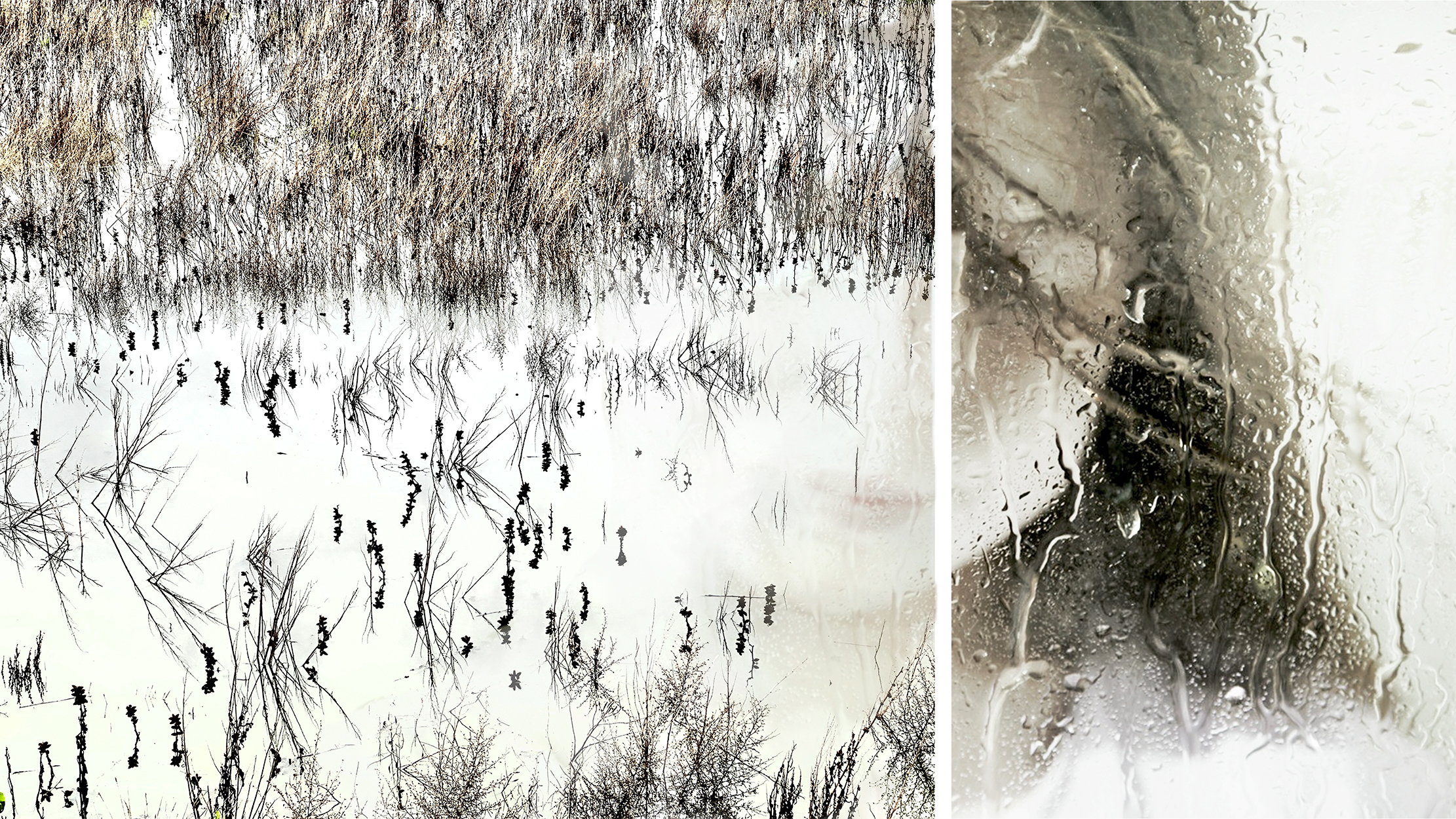
These days, I’m interested in creating work that is about something—but less about documentary “reality.” I’m drawn to the collaboration between layered images and words or the interaction between one image and another. This is a way of experiencing something more fully, richly, and with added dimension than single, unaltered images alone. I find these relationships more nuanced, compelling, and novelistic than the documentary reality I was so focused on years ago.
My current project is titled “Grief, A Terrain Gutted And Pocked.” (I want to thank Zeeva Bukai for permission to use this paraphrase of a sentence from her moving novel, Anatomy of Exile.)
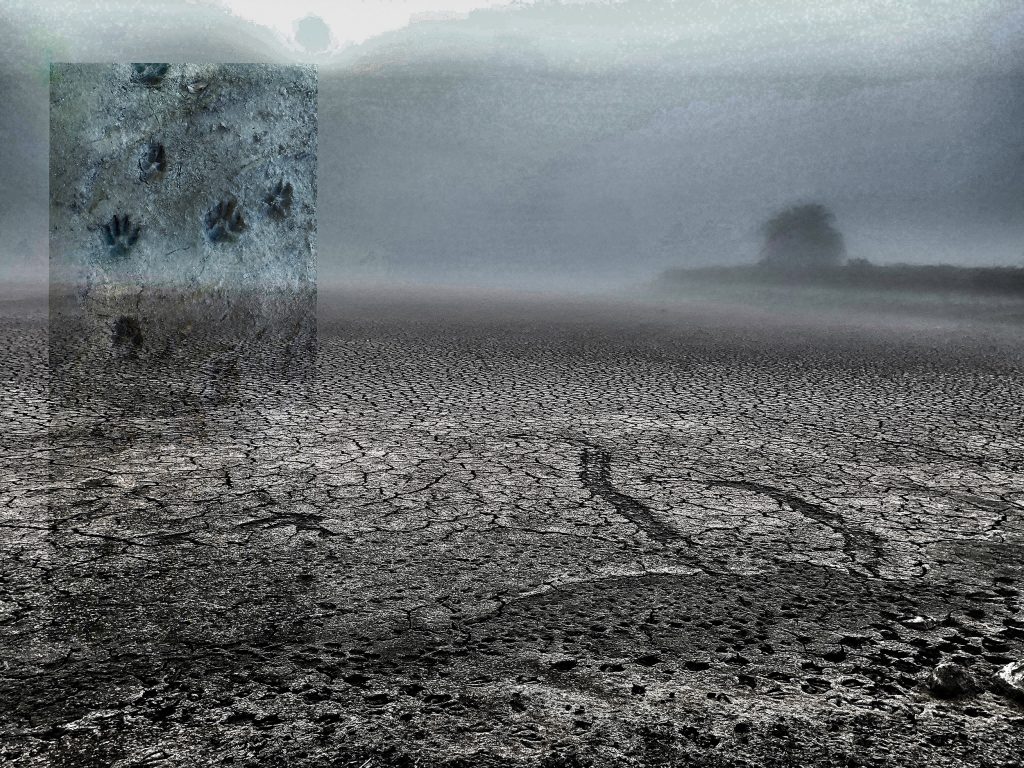
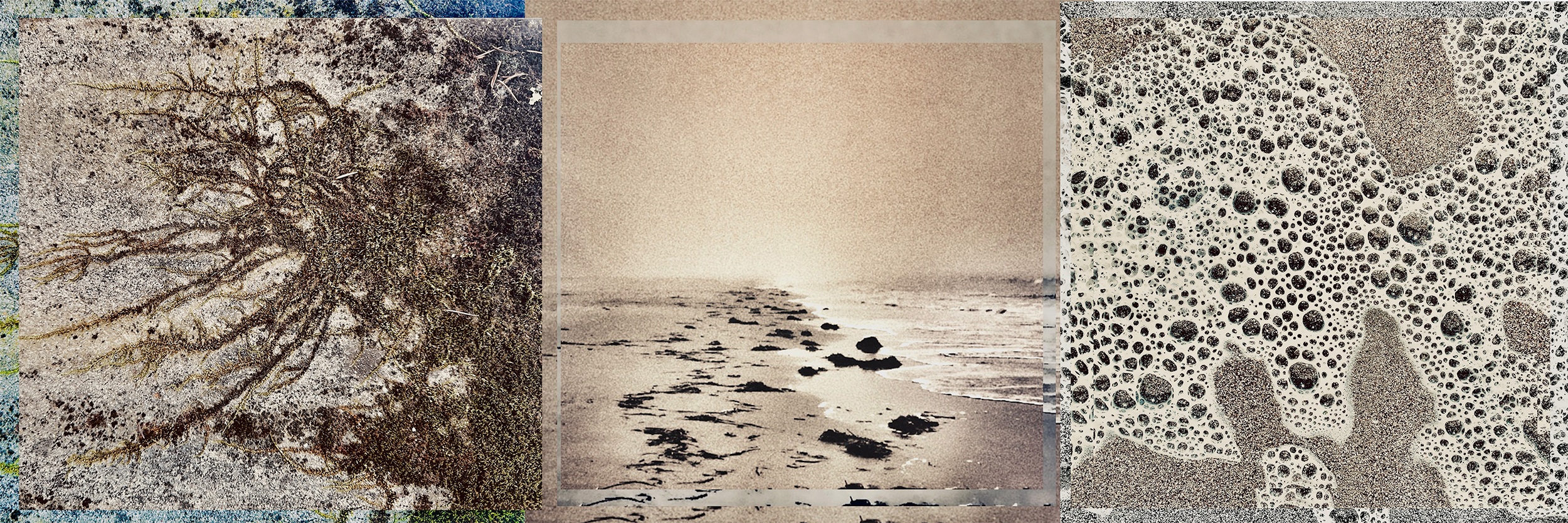
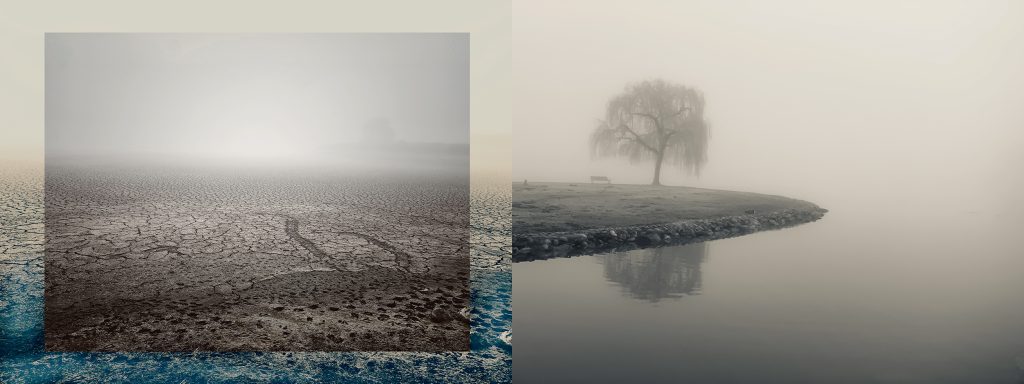
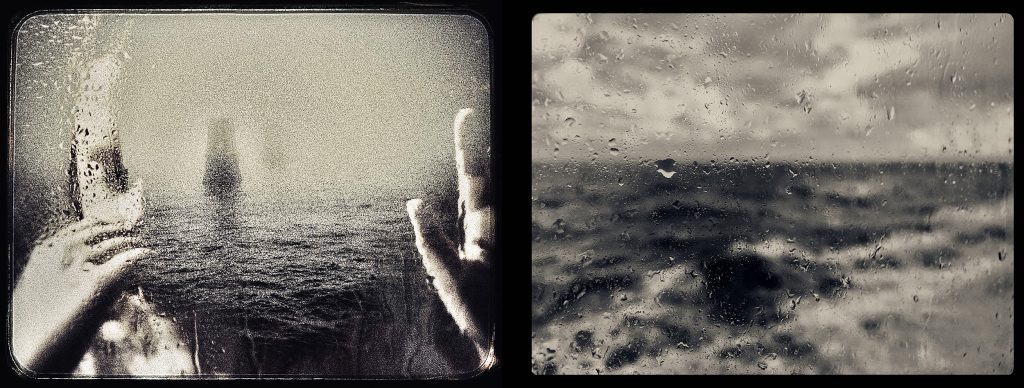
In this project, I construct emotionally driven photographs, combined with quotes from people grieving profound losses, in an effort to explore some of the themes grief provides and the “gutted and pocked” landscape that it inhabits.
“If I’d known how much grief could hurt, I still would’ve let it take root in me because loving you was worth everything.”
As a young documentary photographer, I was mesmerized by the stunning collaboration between the writer Langston Hughes and photographer Roy DeCarava in The Sweet Flypaper of Life. That book opened up new worlds for me through its use of photography as fiction. The images and written narrative worked together to create a moving, novelistic reality so different from the documentary tradition I was familiar with.
I’m always photographing scenes I come upon, and I save these photo artifacts.
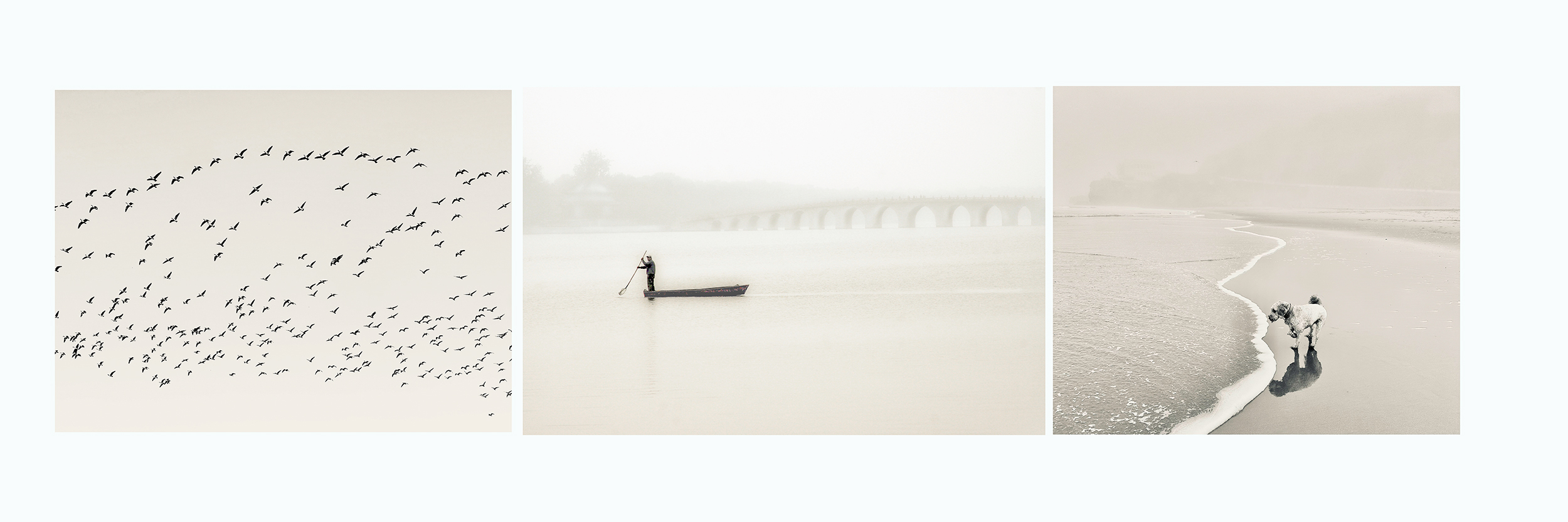
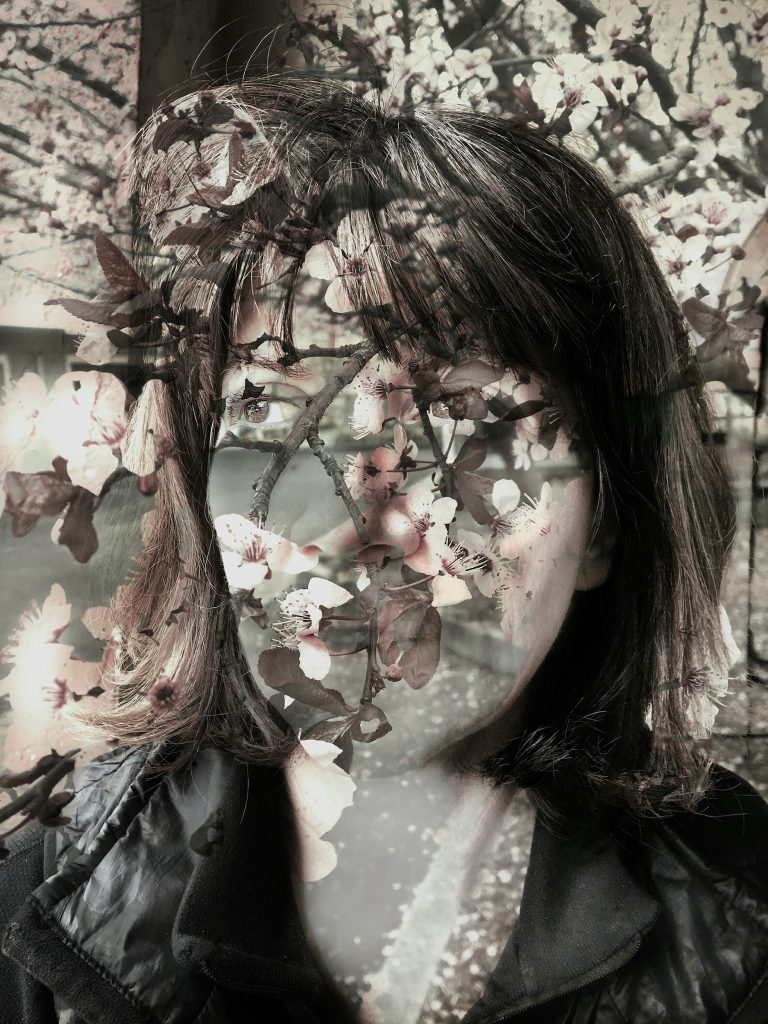
Eventually, when a project has come into being, I’ll use these photos to create layered images, diptychs, triptychs—often with words that accompany photographs. Or I’ll play with sequencing images to get just the right emotional tone I’m looking for.
I’m more an author or painter than a capturer of moments in “reality”.
What I do is kind of the opposite of capturing a decisive moment in time, à la Cartier-Bresson. The world I strive to create artistically is a layered, untidy, moving collage of voices, whispers from history, surreal images, artifacts that challenge conventional reality. A single, unaltered image doesn’t take me where I want to go.
“Grief is surreal— it rearranges your entire reality.”
“Grief is physical and heavy, but at times also utterly empty.”
“Grief puts your entire world on hold—as the rest of the world continues on.”
“We don’t get over grief; we just learn to carry it differently.”
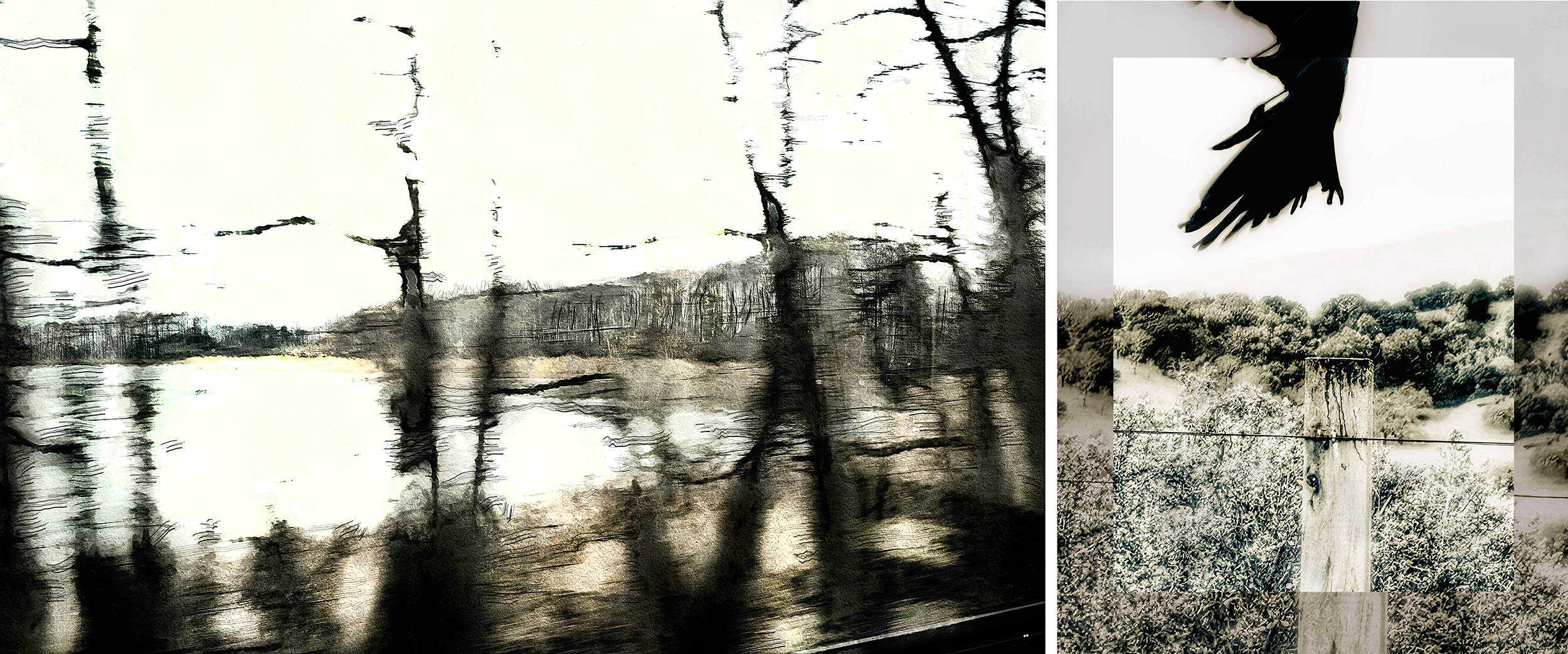
The image, “A Sign?” is a diptych. An unfamiliar, altered landscape, pairs with a smaller, layered image into which a large black bird’s wing flaps into the frame. Many people who grieve talk about the “signs” they receive from their loved ones: a presence that makes itself known—often in the form of a bird. Flying low, perched for an unusual amount of time on a branch outside a window looking in, watching from a familiar bench, hovering closely during a walk. I’ve experienced this.
“I could write a new list every single day of the things I miss most about you. And every single one would start with ‘I miss you’ and ‘Please come back.’ “
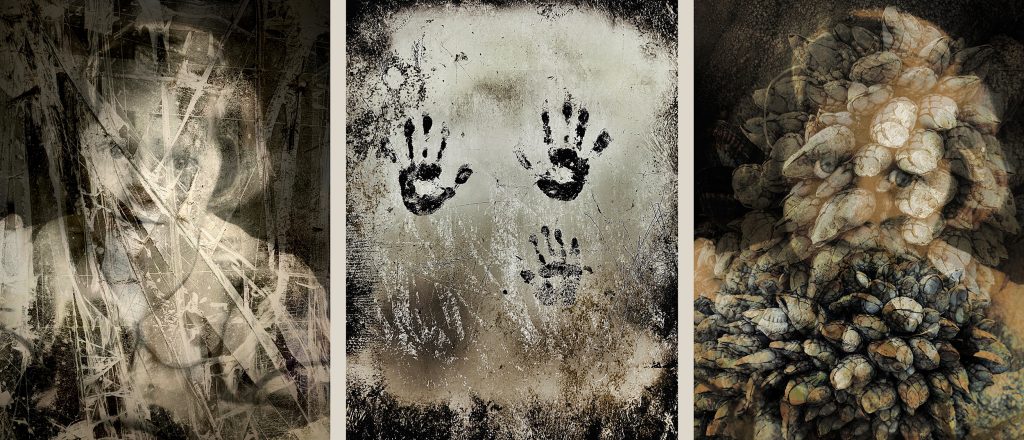
Another image, a triptych, with 2 identical photos of the same young girl, darkly layered with cracked glass and barnacles. They look so different from each other, having been transformed by overlays of dark weight. They are unrecognizable to those they know—and to themselves. Grief changes you. It has changed me.
“There are two stages of grief: who you were before and who you became after.”
Image Flow classes have helped immensely to refine my artistic vision and expand my technical skills. The encouragement and insight I’ve received from accomplished photographers/teachers like Stuart, Nathan, and Jarod—as well as the inspiration I’ve got from other photographers working and taking classes at the Flow—is something I’ll always be grateful for.
Thank you to Micki for sharing this insight on her practice!