Interview with Brian Taylor
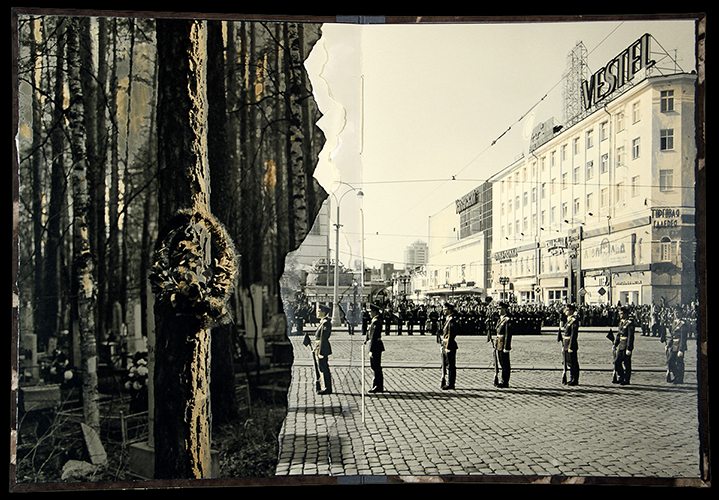
 Teacher and artist Brian Taylor talks about his education, teaching and the “voodoo” of alternative process photography.

Get news, views, and interviews from The Image Flow. Learn about upcoming events, exhibitions, and visiting artists.
Teacher and artist Brian Taylor talks about his education, teaching and the “voodoo” of alternative process photography.
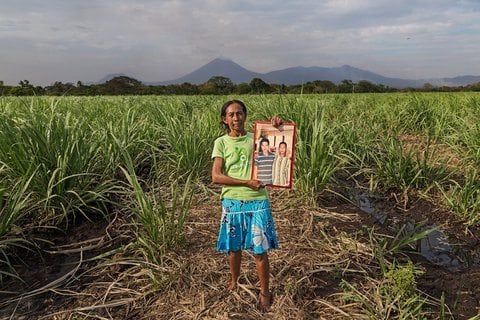
 Featured today on the New York Times Lens Blog, David Gonzalez writes about Ed Kashi’s documentary project, Island of Widows about Nicaragua’s kidney disease crisis.

Ed Kashi is a photojournalist dedicated to documenting the social and political issues that define our times. In addition to editorial assignments, filmmaking, and personal projects, Kashi is an educator who instructs and mentors students of photography, participates in forums, and lectures on photojournalism, documentary photography, and multimedia storytelling.
“I’m driven by this fact: that the work of photojournalists and documentary photographers can have a positive impact on the world,” says Kashi.
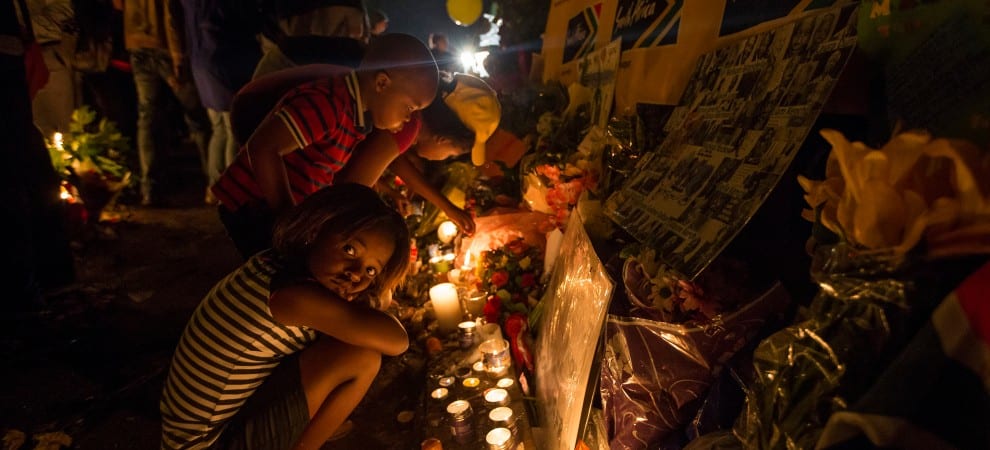
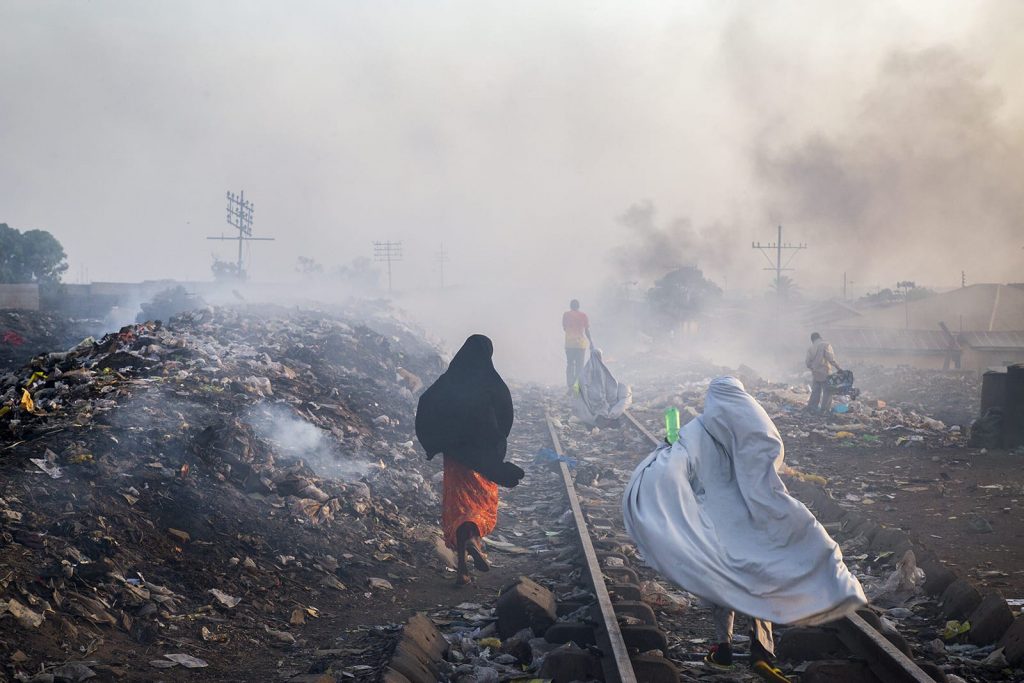
From National Geographic Photographers Expound on the Power of Photography I am a South African who lives abroad, based in a place far from my own country. They say you carry your land in your heart, but it’s not true—you forget what makes your country unique if you spend too much time away. I experienced […]
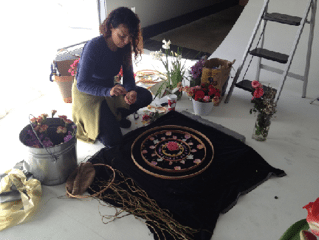
Mill Valley resident and photographer, Sharon Caplan Cohen, tells her story of working with The Image Flow while she was creating the images for her show, Renewal.
Sharon had been making flower Mandalas at her home and photographing them as a way of working through the grief of her mother’s death.
After my mother’s passing and many losses in my life, I found myself in an existential crisis. Daily there was a sense of bewilderment, grief and pain. What emerged was a year long journey making three dimensional mandalas and photographing them. Mysteriously, they started illuminating my soul, when the outward world appeared dry and confusing. The photographs came to represent a journey of loss and resurrection.
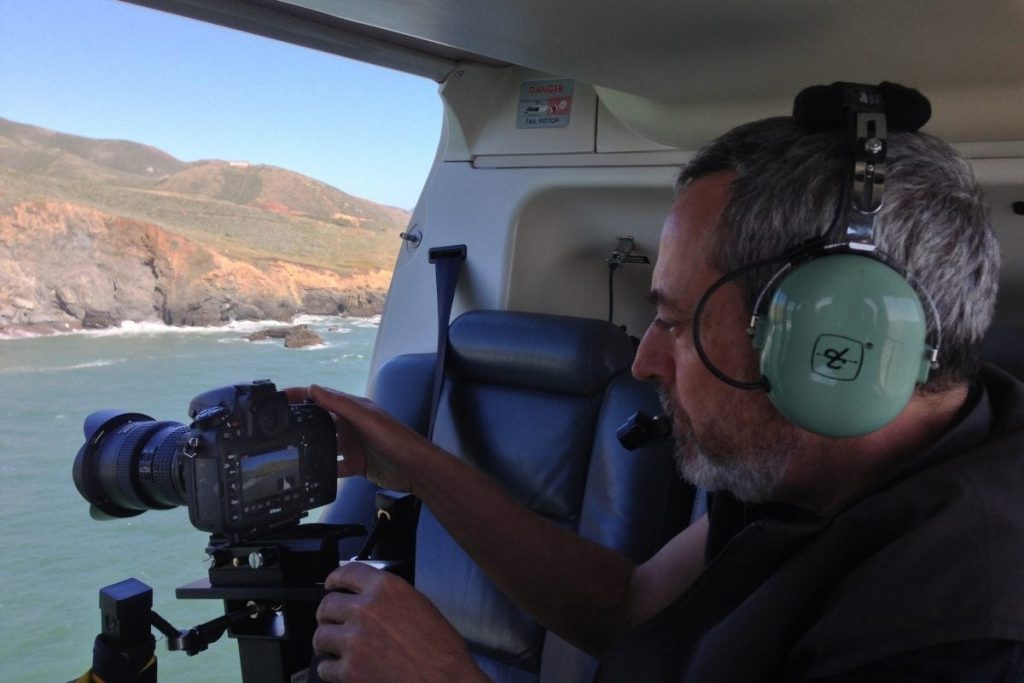

Time-lapse images of West Peak that show the contrasts between the beauty of the natural setting and the detritus of the old Air Force Station are just one aspect of the film I’m making. As I wrote in my first blog post, the overall point of this piece is to spearhead a fundraising campaign to restore the peak to its natural state. That means there will be historical material, interviews, reconstructions, and all of the things you’d expect from a storyteller such as Ken Burns.
One of the most important things I need to do is establish the location of the site so that everyone can clearly see where it is. The time-lapse material doesn’t do that very well, so I need to augment it with aerial images. I’m doing this with two kinds of aerial footage: images from a helicopter starting at the Golden Gate Bridge and working up to an orbit of the Peak, and images from a drone shot low and in the ruins themselves. I’ll be combining these with additional footage to establish the setting and emotional pace very early on in the film.
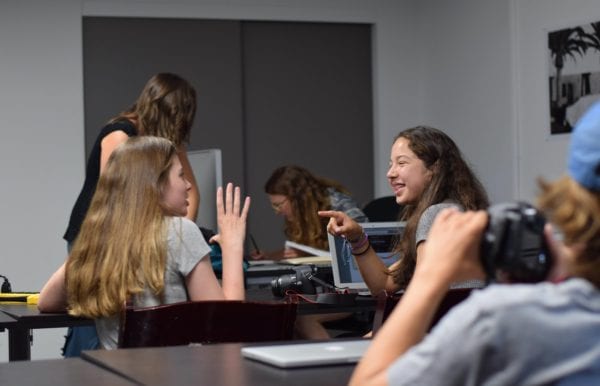

Art Reactor is a digital art school for middle and high school students, created by Jennifer Fry and Josh Cardenas. They teach students how to be artists, not just computer users. By learning the basic principles of art and how to create with digital tools, students can produce amazing, original work! Incredible things like virtual 3D sculpture, vector art, interactive virtual worlds, projection mapping, VJing, and more. Jennifer and Josh strive to have their students become independent artists, developing the technical skill they need to express their creative vision.
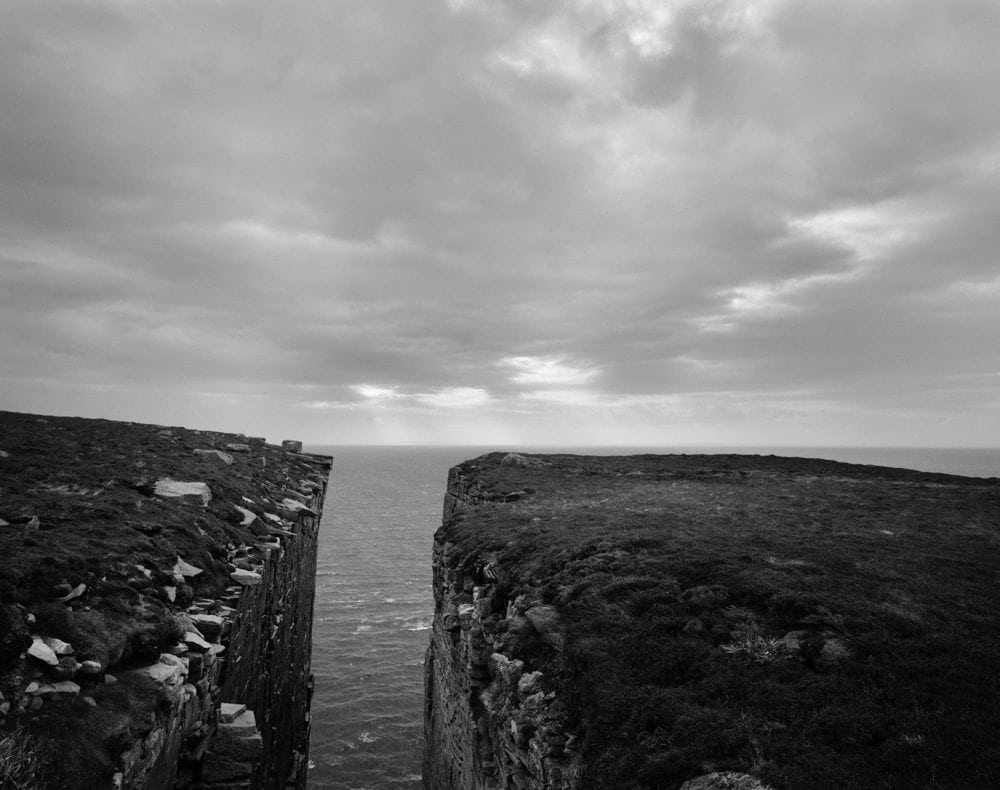

I’ve been to a banquet—Hendrik Paul’s new show at The Image Flow, Light From Within. It’s a show with crescendos of excitement and photographs that grant the viewer entry into the personal vision of an emerging voice. There are some many faceted gems here. As with any emerging photographer, about one third of the show consists of classic image making. Though masterful, as classic uses of composition, light, tonal value, subject matter, etc., they are images that don’t add anything new to the vocabulary of photography and don’t clear his unique voice. However, these are silenced by the majority of the show, which consists of images that not only add words and phrases to photography’s vocabulary, but also employ these additions to convey stories of genuine seeing.
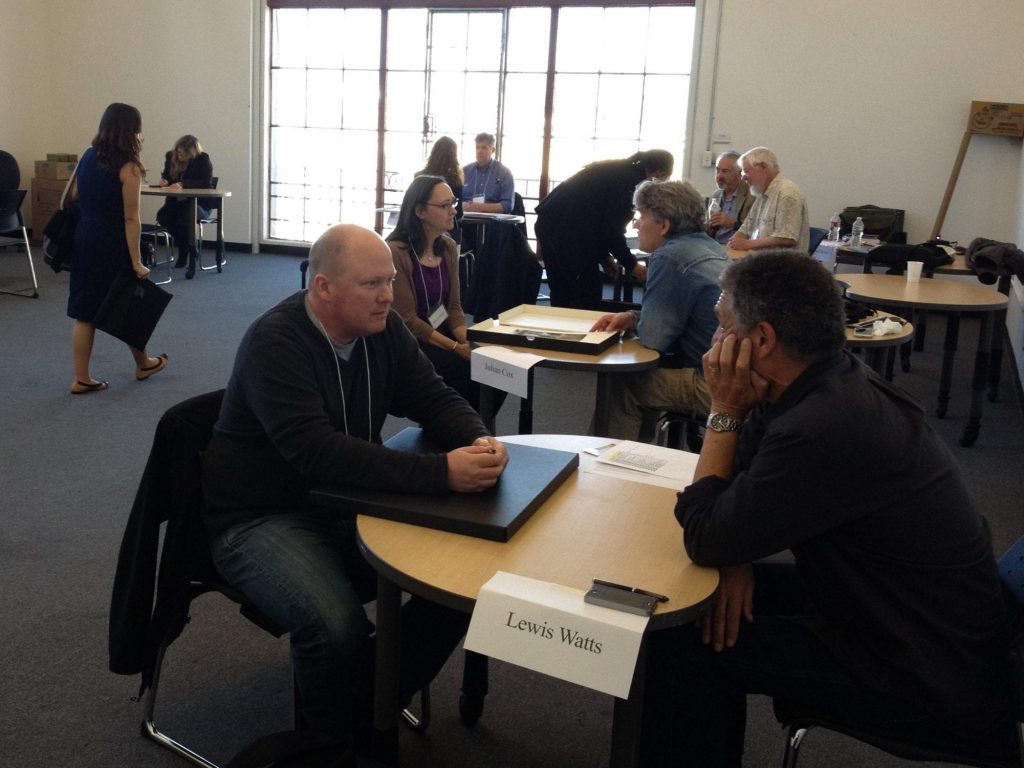

Barbara Hazen is a passionate photographer who recently turned her hobby into a career. She has been working with Stuart one-on-one for the past few years, and had a solo exhibit at The Image Flow in 2012. As part of an ongoing goal to challenge herself photographically, she entered her work into a highly competitive, national juried portfolio review… and was accepted! Read her story of the review experience.


Born in Canada, Margot Hartford’s love of photography was encouraged while attended a photography poly-technical university in Toronto. After school, she worked as a full-time assistant for an advertising photographer learning more about the practicalities and business of being a commercial shooter.