Jeff Greenwald, an Oakland-based photojournalist, author, and founder of the nonprofit Ethical Traveler, has been photographing in Nepal since 1979. He first visited Camp Hope, one of Kathmandu’s most progressive earthquake refugee camps, in the fall of 2005.
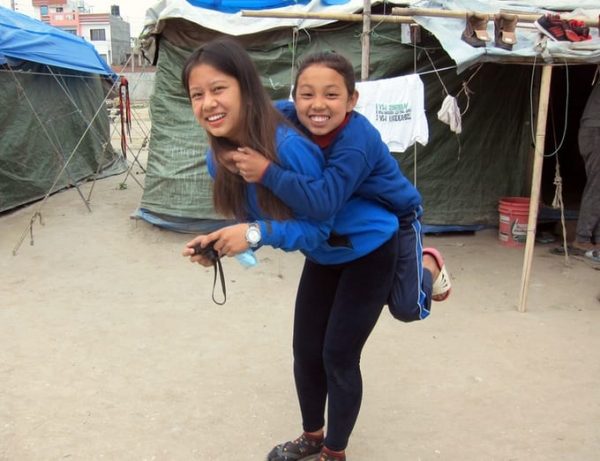
“One of the kids—a very smart and completely charming 10-year-old girl named Laxmi Sherpa—asked to borrow my camera … such a request would normally give me pause. But Laxmi had impressed me with her honesty and sense of responsibility—so I handed it over,” said Jeff.
That afternoon was the beginning of his project with Looking Glass Photo. The idea was simple: Provide cameras to the children Camp Hope and teach them how to document their daily lives.
Balancing your photographic pursuits with the ups and downs of daily life can be a difficult task. Keeping pace with a photography series requires not only dedication but also a clear direction to ensure building success. Here, workshop student James Clift talks about how creative assignments with concrete deadlines can help expand the horizons of the intermediate photographer.
Liz Caroli is a recently retired teacher with a newfound passion for photography, but looking at her photographs, you might think she’s been shooting for a very long time. However, she bought her first “real camera” barely three years ago. She credits her rapidly improving skills behind the camera to hard work and the excellent teaching skills of the instructors at The Image Flow.
Her first initial impetus to pursue photography came during a trip to Belize. On a side trip to Half Moon Caye National Monument, Liz snapped a few shots of a flock of birds flying overhead.
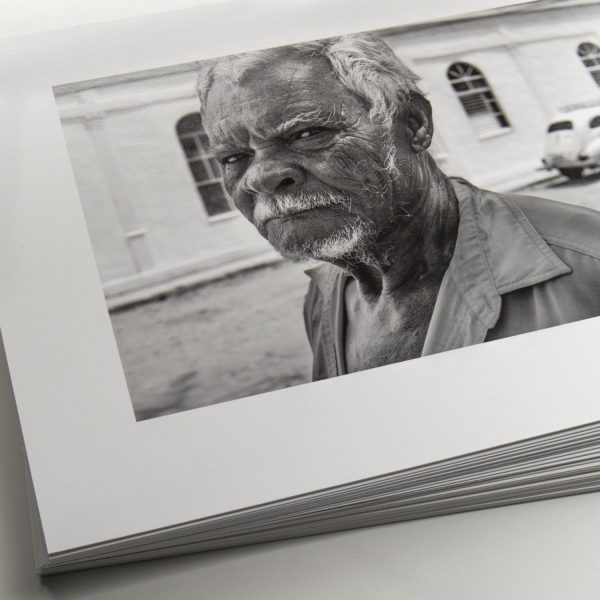
As a commercial photographer, workshop instructor, and owner of The Image Flow, Stuart Schwartz is no stranger to the portfolio review—and he’s sat on both sides of the table. Here he offers his tips for building your portfolio for success. First and foremost, there is nothing more impressive than a printed portfolio.
Periodic portfolio reviews are an essential part of any serious photographer’s game plan. They’re a great opportunity to get your work literally under the noses of the right people. But before you submit your work to a professional portfolio review, you’ll want to be sure your portfolio is in the best shape possible.
How does one begin creating a successful artist’s portfolio? The information I will share with you here will be useful to anyone working in fine art or commercial photography, illustration, or art, and who would like to present their work in a professional manner to potential clients, friends, and colleagues.
To be successful, an artist must have a vision, must master the technical skills required in their chosen medium, and have a basic understanding of the art business.
Scott Orazem studied photography at the Art Center College of Design in California. He spent fifteen years shooting fashion in Los Angeles before launching a second career in creative direction and brand strategy. Now, Scott is exploring the personal side of his photography with a focus on patterns, textures, and scales found in nature.
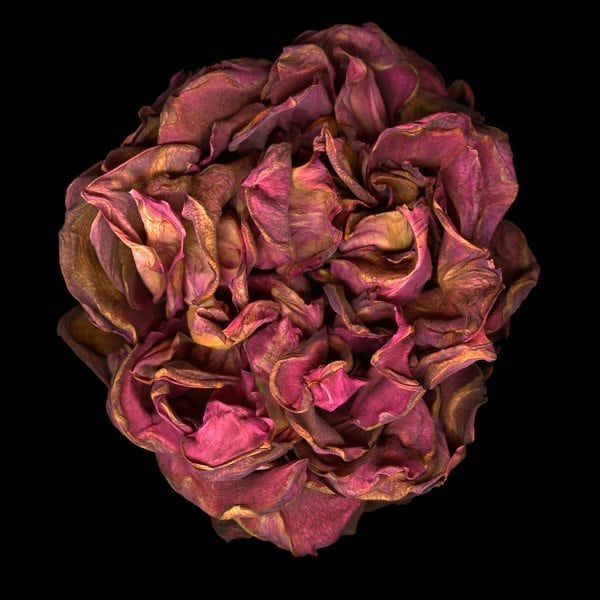
After 25 years in the workforce, Jay Ruland decided to go back to school and, not surprisingly, found himself surrounded by 20-somethings. While he says he was welcomed by his junior contemporaries, he was struck by the way they perceive the world; that is, the things they found to be beautiful also tended to be as young as they were. As a 50-something, Jay says the aging process is beautiful in itself, and the desire to show that is the basis for his Withering Roses floral photography series, which will be featured in his new solo exhibition at The Image Flow As the Allure Fades opening on May 14.
“The younger students sort of had a bias toward things in society that are young and pretty, and we’re taught through the media that younger is better. But if you look closer in nature, things that are getting older are still beautiful and the process itself is a beautiful process,” says Jay.
He chose to work with roses because they are a societal symbol for beauty, something you’d give on a first date or use to decorate your house, but also because they can communicate ideas, from the number you give to the color, and transgress cultural barriers.
It is no secret that the medium of photography has become increasingly complicated by the advent of the digital age. Nearly every image we encounter—from advertising and billboards to packaging and fine art—receives some level of digital treatment before arriving in our periphery. Altered images have become so commonplace that they are no longer questioned.
Knowing this, why then is there a persisting notion of photography as a mechanism of truth? It seems to exist as a residual concept of the photograph as something objective and substantiated by its relationship to reality.
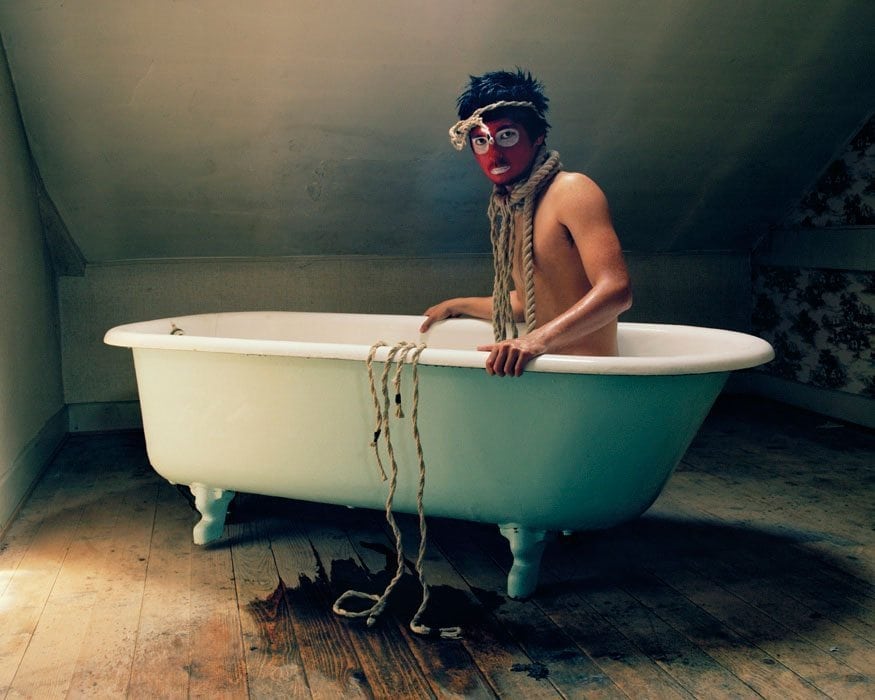
But what we perceive to be real is malleable and shifting. This is where my personal interests in photography seem to manifest, in a space where artists are free to toy with the artifice that is inherent to photographs. Through individual choices regarding process, presentation, and content, the following are a few contemporary photographic artists that tread the boundaries of illusion and reality.
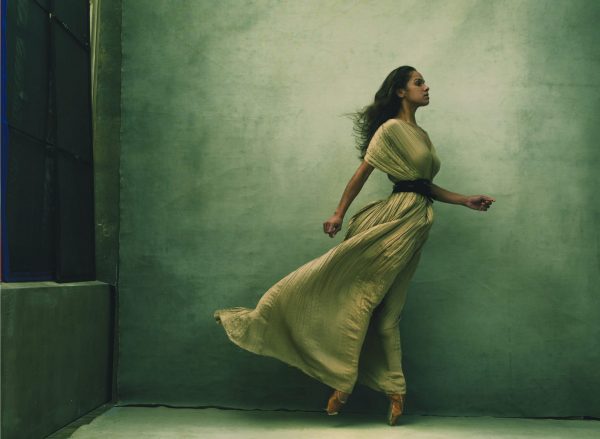
Annie Leibovitz, a San Francisco Art Institute alum, began her famed career as a photojournalist for Rolling Stone in the early 1970s. Over the past 40 years, she has created some of the most stunning and most controversial photographs of her day. Her new exhibition Women: New Portraits now on display at the Presidio’s Building 649 at Chrissy Field features portraits of some the world’s most influential women, from ballerina Misty Copeland to anthropologist Jane Goodall to Facebook COO Sheryl Sandberg.
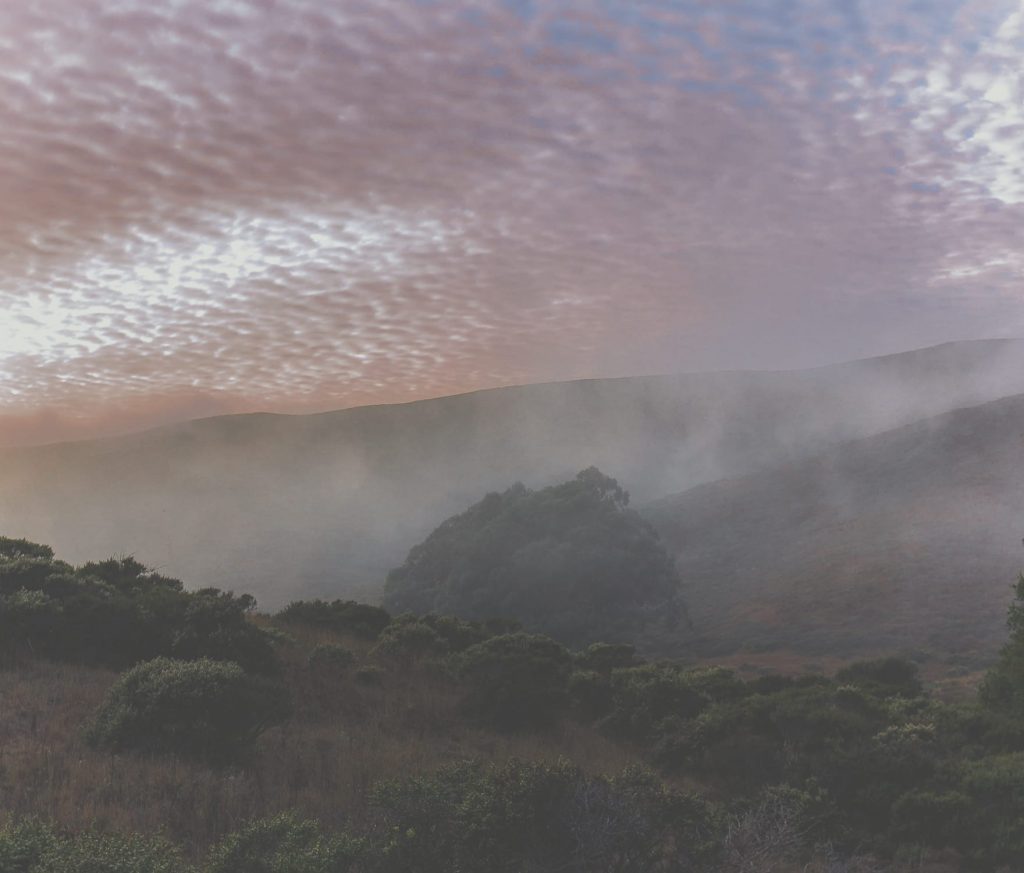
Fine art photographer Hendrik Paul is best known for his surreal black and white landscapes of the Marin Headlands, but he also likes to venture out at night to take ethereal images in both urban and rural settings.
Here our most accomplished night shooter shares his tips for night photography, from the best equipment to use to the best time to shoot, so you can start taking beautiful photos at night!
Our favorite kids instructor Constance Chu gives us four tips for young photographers (and you too) on how to be better at photography. She says, getting good at photography is just like anything else: To be good, you’ve got to work at it.
While she won’t guarantee you fame and fortune in photography, she says becoming a better photographer is not as daunting a task as it may sometimes seem—and it will also be a lot of fun!
Stay in touch with The Flow!
Discover new workshops, get invited to events, and receive special promotions only for our followers!
Your information will *never* be shared or sold to a 3rd party.